-
Learning at Work Week – Impact Awards 2019
We are very pleased to announce that in the Learning at Work Week Impact Awards 2019 we have won in two categories ‘Shaping Digital Futures’ and ‘Innovation in Learning & Development’!
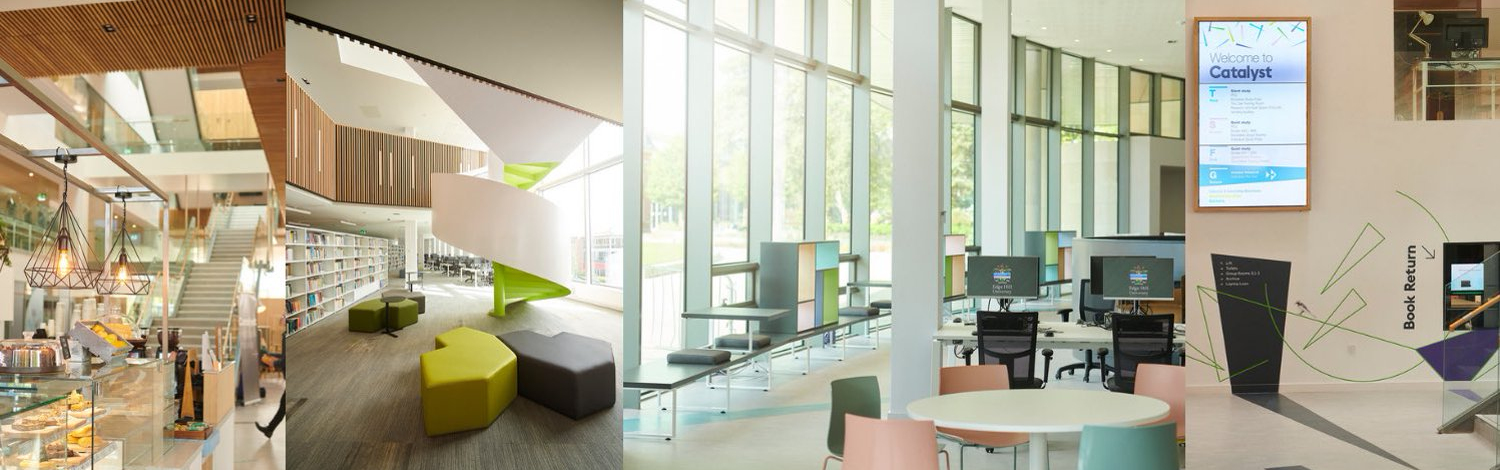
Learning at Work Week took place in May and provided staff in Catalyst with an opportunity to not only get to know each other but develop their skills and express their interests.
During Learning at Work Week 28 creative and informative sessions took place, delivered by both internal and external members of staff. These sessions were predominantly delivered by staff within Catalyst, as it gave staff the opportunity to inform colleagues about their services’ developments and an opportunity to share their skills and interests. Sessions included: ‘Creative Card Making’, ‘Rubber Stamp Printing’, ‘Sign Language’, ‘Writing for the web’ and ‘Pocket Photography’


We also added in a range of informative sessions, which allowed staff to learn more about other teams, networking with colleagues and promoting a workplace learning culture. The sessions were very well received with staff commenting on there being ‘plenty of variety’ and ‘something for everyone’.
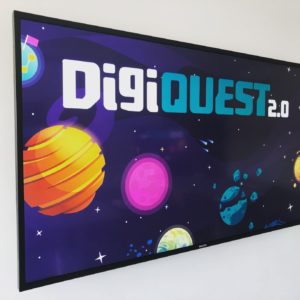
Alongside face to face activities we also launched DigiQuest 2.0. This year’s quest prompted staff to explore and investigate new pieces of digital technology, allowing them to enhance and develop their digital capabilities. Activities included creating an infographic, learning the basics of Excel, analysing their digital footprint, making online quizzes and participating in Twitter chats. The choice of tasks were described as ‘varied’ and staff relished the opportunity to try out tools they had never explored previously. The theme for DigiQuest 2.0 was around space exploration, selected to coincide with the theme of Learning at Work Week. The exploration of space links to ‘Shaping the Future’ as they both revolve around progression, development and progress. Staff enjoyed the ‘inventive’ space theme and found the opportunity to achieve digital badges ‘motivating’. The variety of sessions on offer and focus on innovative staff development therefore meant that staff had the opportunity to take an active hold of their learning with a blended learning offer.
Learning at Work Week has successfully helped establish a positive learning culture and colleagues are keen to develop their digital skills further by getting involved in professional development initiatives. It has shown that learning and staff development works best when embedded in the culture of the department, so we have recently delivered ‘Learning at Work Week – Halloween Spectacular’ to continue the blended learning approach and further build a culture of learning at work.
For more information about the award please take a look at the following webpage: https://www.campaign-for-learning.org.uk/news/award-winning-events-shape-future-through-learning

Written by: Laura Riella
Digital Capabilities Coordinator
Developing Digital Excellence, Digital Workplace Technologies, ICT Skills, Learning Technologies, Library, Staff Development
-
Is my H-index showing correctly in Pure?
You may notice that the H-index in your Pure profile shows a different number to the one on Google Scholar. Here we explain why…
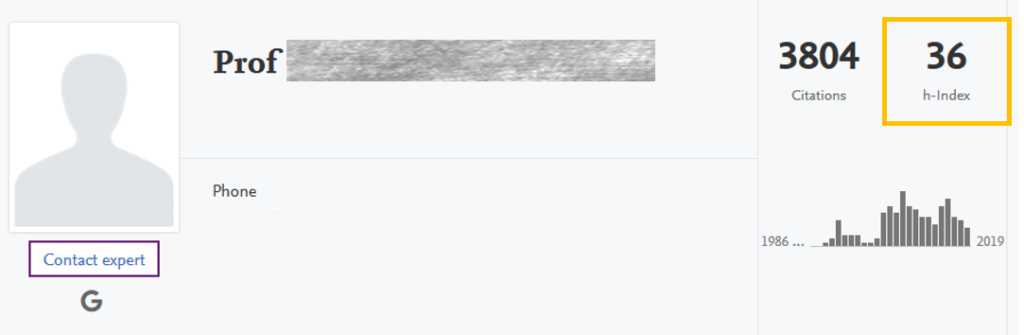
An Edge Hill University Pure profile displaying the academic’s H-Index What is the h-index?
The H-index is a measure to show a researcher’s productivity and impact. Although convenient as an assessment tool, it has received valid criticism because it favours older, male academics and assumes ‘citations = impact’, when it has been shown that the practice can be manipulated.
As an academic at Edge Hill University, your Pure profile will display your H-index by default (see above image). This though, can show a different number to the H-index displayed in a Google Scholar profile. Here is the same author’s h-index in Google Scholar:
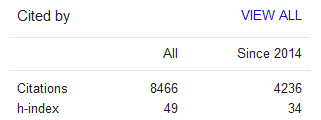
The same person’s h-index displayed in Google Scholar This shows the total h-index to be 49, so 13 points higher than the number quoted in Pure.
Why the difference?
The reason for the difference is that the figure in Pure is taken from Scopus, not Google Scholar. H-index numbers are lower in Scopus compared with Scholar because there is less content – Scopus has around 43 million items, whereas Scholar has been estimated to include around 300 million – far more than any other database. This doesn’t make Scopus an inferior source, it indexes high quality journals admitted on the basis of merit, whereas Scholar uses a powerful algorithm to pull in anything it can find on the web that ‘looks’ academic. This includes dissertations, theses, and some poor or even so-called ‘predatory’ journals.
Why use the number from Scopus?
On a practical basis, Scopus is used because both it and Pure are Elsevier products, and as such can exchange data. Google Scholar however, does not share such data with other platforms.
What should I do?
If you don’t want to display your Scopus h-index, you edit the setting and do this. Go to: edit profile > Portal Profile > untick the box.
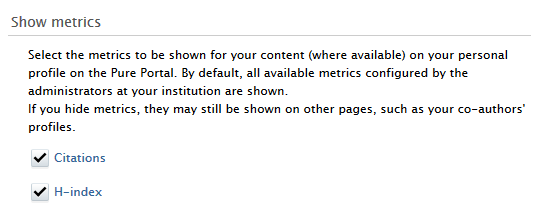
When editing your Pure profile, you can choose to stop displaying the H-index For more information please contact Liam Bullingham, Research Support Librarian: [email protected]
-
From Fact to Fiction ?
‘I read for pleasure and that is the moment I learn the most‘
– Margaret Attwood (Nobel Prize of Literature, 2019)Hi, my name is Georgia and I am a Student Advisor for Library & Learning Services in Catalyst. A great Study Happy tip is taking regular breaks and doing something enjoyable!
As a primary teacher in training, we are always encouraged to promote reading for pleasure in schools, but what about when you get past primary school? I loved to read throughout school, but now that I am in university, I find it hard to even think of reading something other than academic literature.
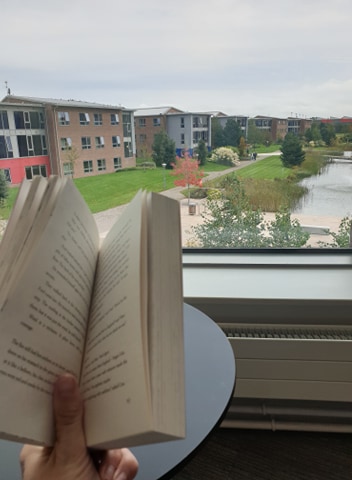
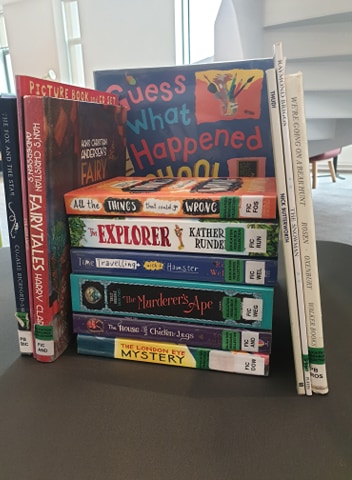
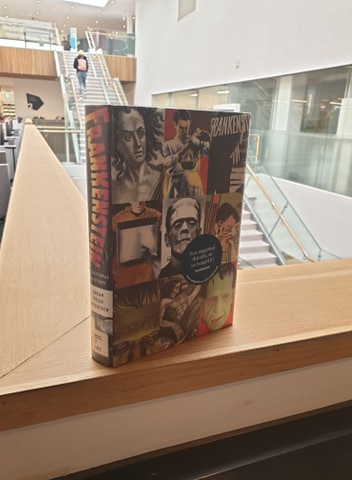
Firstly, the important question! What is reading for pleasure? Well, this is the idea that anyone should be able to pick up a book, and not only read it but enjoy it! You don’t have to be an avid reader, just somebody who enjoys letting your mind ease into a world made of words, wit and wonders.
Our assignments require us to read journals, books, eBooks and ensure that we complete referencing correctly, but sometimes you need a brain break from studying and what better way to lose the stress of reality by getting lost in an atmosphere of imagination. In fact, reading not only relaxes your mind but also develops vocabulary and writing skills, supporting your academic assignments more than you’d think.
Did you know that there is an amazing range of fictional literature available in Catalyst? A whole section, from the first floor of the library to the second, filled to the brim with stories to expand your reading from ‘The Tiger Who Came to Tea’ to ‘Macbeth’. These resources are accessible to all students to loan and I would recommend having a look around and discovering a book for you. You may be searching for a book for your children, your class or yourself, and you don’t have to be a teaching student to appreciate a good book!
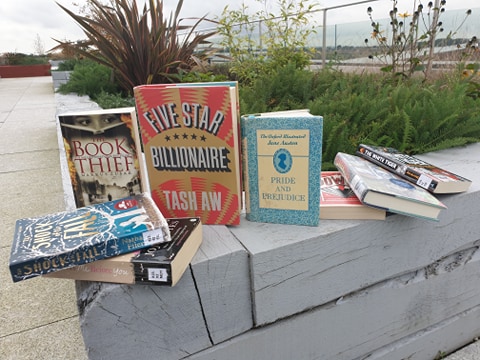
If you’re interested in sharing your favourite books with others and being introduced to new stories, then make sure you get involved in the Edge Hill Book Hunt. This scheme allows students and staff to leave books around campus for others to find, read and love. All you have to do is hide a book and then find a book! Make sure you post your found book on twitter with #EHUBookHunt.
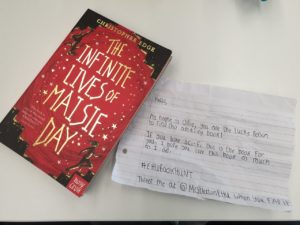
Thank you for reading my blog – Student Advisor Georgia ?
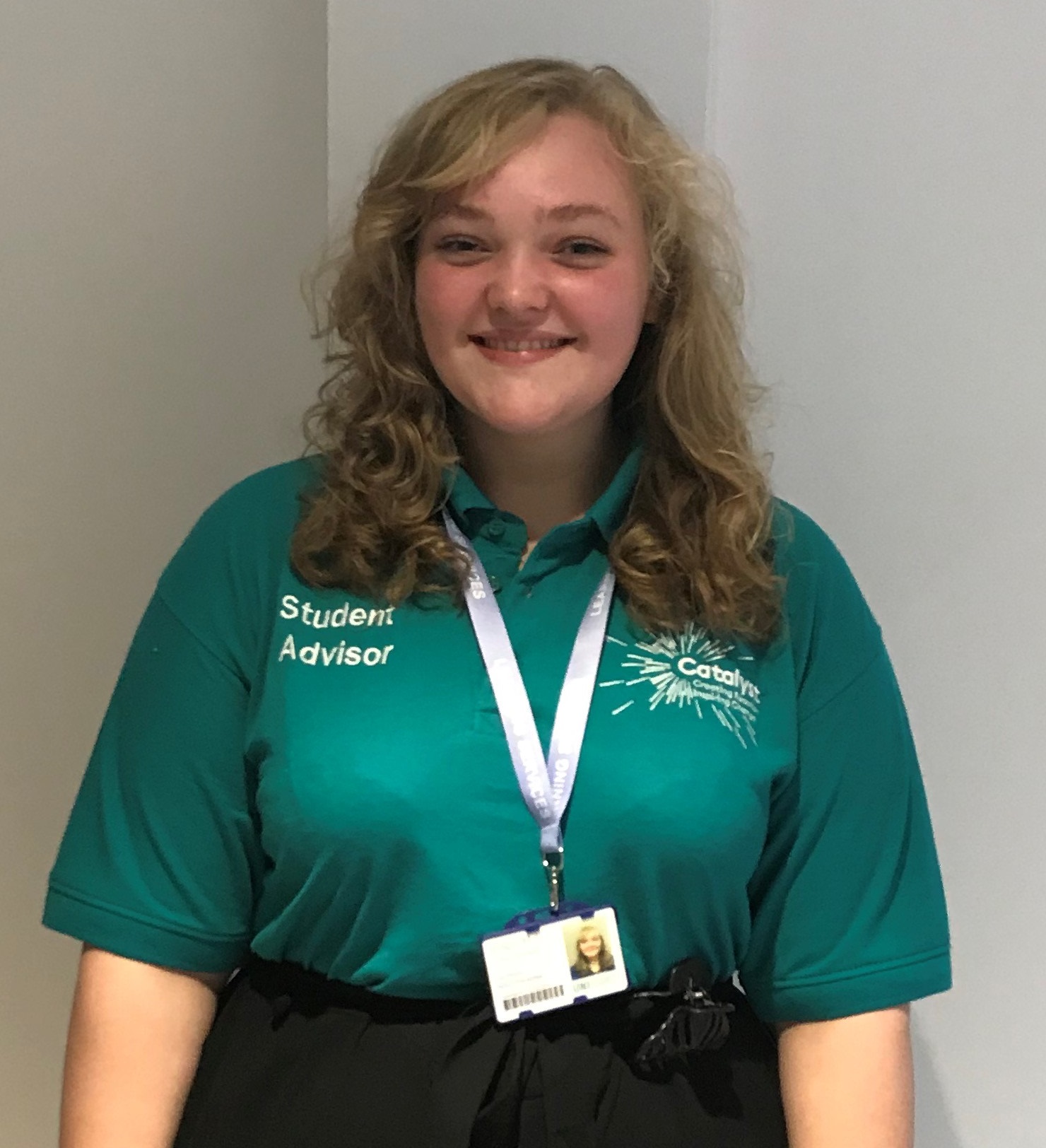
Georgia Maestri-Banks
BA Primary English Education with QTS – 3rd Year

