
When people think about the GIC, they often think of greenhouse-grown tomatoes, cucumbers, peppers and the technologies that support protected food production. While these remain a major focus of our activities, our work extends much further across the horticulture sector.
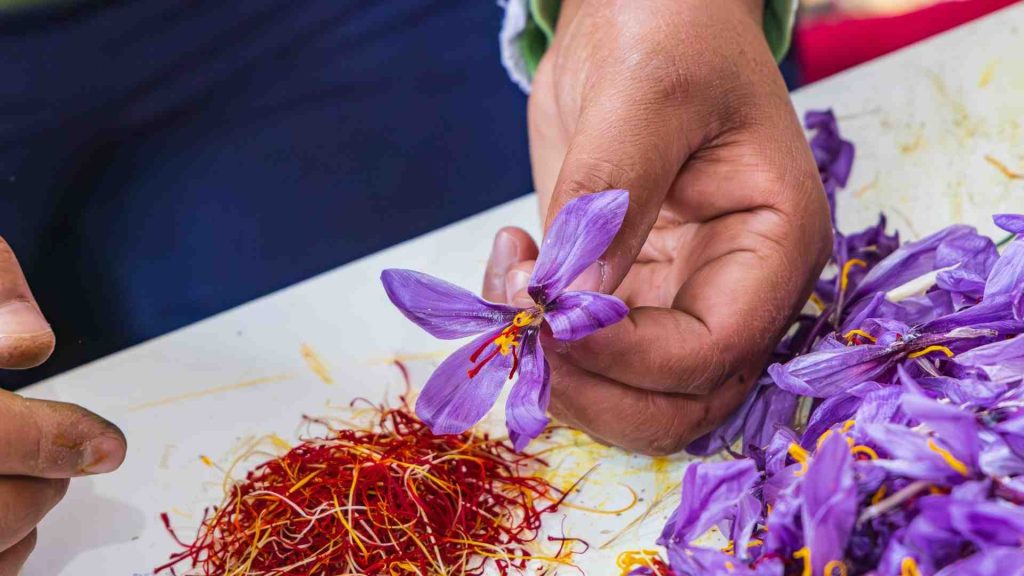
One recent example is our involvement in SAFECORM: Saffron Fungal Evaluation & Corm Rot Management, a new Innovate UK ADOPT-funded project that aims to tackle fungal diseases affecting saffron production.
The project brings together Plant Research Ltd., the University of Warwick and Farm Urban Ltd. to explore innovative approaches for early disease detection and sustainable disease management. Through our network and expertise, the GIC has supported the development of the collaboration and will continue to help connect partners, share knowledge and engage with stakeholders throughout the project.
The saffron project highlights how solutions developed for one part of horticulture can often have wider benefits. The disease detection technologies and biological control approaches being evaluated may ultimately have applications in other bulb crops, ornamental plants and controlled environment growing systems.

As an Innovate UK ADOPT Facilitator, Dr Sven Batke regularly works with growers, businesses and researchers to identify challenges, build partnerships and develop projects that can be tested on farms and in commercial production systems. While many of these projects relate to greenhouse food production, the programme also provides opportunities to support innovation in a much wider range of crops and production systems.
For the Consortium, this reflects a broader philosophy that innovation should not happen in isolation. Many of the challenges facing horticulture, from plant health and sustainability to resource efficiency and climate resilience, are shared across sectors. Bringing together expertise from different disciplines and production systems often creates opportunities that would not emerge otherwise.
By helping to facilitate these conversations and collaborations, the GIC continues to support innovation wherever it can deliver benefits to growers, businesses and the wider horticulture sector. Whether that involves greenhouse vegetables, medicinal crops, ornamentals or emerging production systems, our goal remains the same: helping people work together to turn good ideas into practical solutions.
If you would like to speak to someone about the GIC and how it can support your business, please email us.
