
Sila, Spirit and the Healing Power of Nature: Reflections from Greenland
Dr. Eve Allen
Earlier this year, I travelled to Greenland as part of work exploring child and youth mental health. During the visit, I met with the UNICEF team and local government colleagues who are leading programmes to support children and young people’s wellbeing. The trip offered valuable insight into how nature, culture and community shape mental health in Greenland.
What I learnt went beyond formal policy and service structures – it highlighted how everyday relationships with the environment play a central role in wellbeing, and how these ideas could inform approaches in the UK.
Academic Reflections: Nature, Mental Health, and Indigenous Wisdom
In my work on child and youth mental health, I often explore how nature-based interventions and social prescribing can reduce anxiety and depression. Greenland offered a living example of this.
The Inuit worldview, described in the Greenland Museum’s “Sila and the Beyond” exhibit, sees the world as two interconnected realms – the visible Sila and the invisible Silap Aapaa. In this worldview, Sila refers to weather, consciousness and mind; and when disrupted, balance and wellbeing are affected. Healing involves restoring harmony between people, nature and spirit.
This understanding aligns with ecological models of mental health, where wellbeing is not just an individual state but a reflection of balance within systems. The Inuit Shaman’s role in restoring Sila through connection with the sea,land and sky mirrors how we in the UK are beginning to recognise the therapeutic power of green and blue spaces. Programmes that connect with nature – through outdoor learning, gardening or coastal walks – echo these ancient practices of reconnection.
What can we learn and apply in the UK
- Holistic balance – Wellbeing is shaped by relationships between environment, culture and inner life.
- Everyday nature contact – Nature is part of daily life in Greenland; UK systems would normalise routine outdoor time.
- Cultural identity and place – Connection to land and heritage strengthens belonging and resilience.
- Community-led approaches – Wellbeing is supported through community structures, not only professional services.
- Environmental Stewardship – Caring for nature fosters agency, purpose and connection.
- Embodied practices – Drum songs and movement demonstrate the value of sensory and creative approaches.
Spirit and Soul: Healing through Rhythm and Relationship
Also at Greenland Museum, The Spirit and Soul exhibition described how drum songs were used for both celebration and conflict resolution. The rhythm of the drum, the movement of dance and the communal act of singing were all ways to restore harmony. In modern mental health practice, this aligns with embodied therapy – healing through movement, rhythm and shared experience.
The Inuit belief that every being has an inua, a soul or essence, reinforces the idea that wellbeing is relational – between humans, animals and the environment. Amulets symbolised protection and strength, representing the inner resources people draw upon in times of distress. This resonates with contemporary understandings of resilience as a web of relationships, meanings and connections.
Personal Reflections: The Untold Connection
My time in Greenland provided not only professional insight but also an embodied understanding of how environment shapes psychological states. Standing on the ice, I experienced a noticeable shift in my own internal regulation. The cold air, open space and absence of noise created conditions that environmental psychology describes as restorative environments – settings that reduce cognitive load, support emotional regulation and promote clarity.
This experience highlighted how much I personally benefit from being outdoors – from exposure to natural stimuli, sensory engagement and from the psychological spaciousness that large landscapes create. In Greenland, this connection is not exceptional; it is embedded in daily life. Nature is not a passive backdrop but an active component of wellbeing.
The people I met spoke of the sea, sky, and land as relational entities – sources of identity, continuity and meaning. This reflects Indigenous Frameworks in which wellbeing is understood relationally, encompassing human-environment interactions, cultural narratives and collective experience. Such perspectives challenge more individualised Western models of mental health and emphasise that wellbeing is shaped by dynamic interactions between person, place and community.
Bringing the Lessons Home
The Inuit understanding of Sila offers a powerful metaphor for mental health systems. It reframes wellbeing as something shaped not only by individual experience but by the wider relationships between people, place and environment. For the UK, this perspective encourages a shift from viewing nature as an optional enhancement to recognising it as a core component of wellbeing strategies. This includes designing nature-rich school environments, expanding ourdoor therapeutic approaches, and valuing cultural narratives that connect children children and young people to the places they live.
In Greenland, nature is woven into identity, culture and community. The lessons it teaches – patience, resilience, humility – are lived rather than abstract. They are present in the rhythm of the drum, the stories of the moon and sun, and the quiet strength of communities shaped by ice and sea. These practices illustrate how cultural traditions can act as ecological protective factors, supporting emotional regulation, belonging and continuity.
Translating this to UK contexts requires recognising that nature-based approaches can complement and strengthen existing mental health interventions. Evidence from attention restoration and environmental psychology shows that natural settings reduce cognitive fatigue, support emotional regulation, and enhance wellbeing. Yet access to nature is uneven across the UK, shaped by geography, socioeconomic conditions and urban design. Learning from Greenland means acknowledging that nature cannot be a luxury – it must be part of everyday life, particularly for children and young people.
Achieving this requires systematic change:
- integrating nature into school design and curriculum
- expanding community-led outdoor programmes
- recognising cultural relationships with land as part of wellbeing
- ensuring equitable access to green and blue spaces
- embedding environmental stewardship into youth mental health strategies
Greenland also highlights the importance of cultural narratives in shaping wellbeing. Stories of land, sky and seasons provide meaning and continuity. In the UK, supporting children to connect with local heritage, community identity, and place-based narratives may strengthen resilience, particularly for those who feel disconnected from their surroundings.
As mental health challenges continue to rise in the UK, Greenland’s example suggests that one of the most profound interventions may be the simplest: stepping outside. Listening. Breathing. Re-establishing a relationship with the environments we inhabit. This is not just about reducing distress – it is about cultivating connections. It is about recognising that wellbeing is strengthened when we understand ourselves as part of something larger – a landscape, a community, a shared story – and that this connection can be a source of stability, identity and healing.
Research Showcase and Celebration
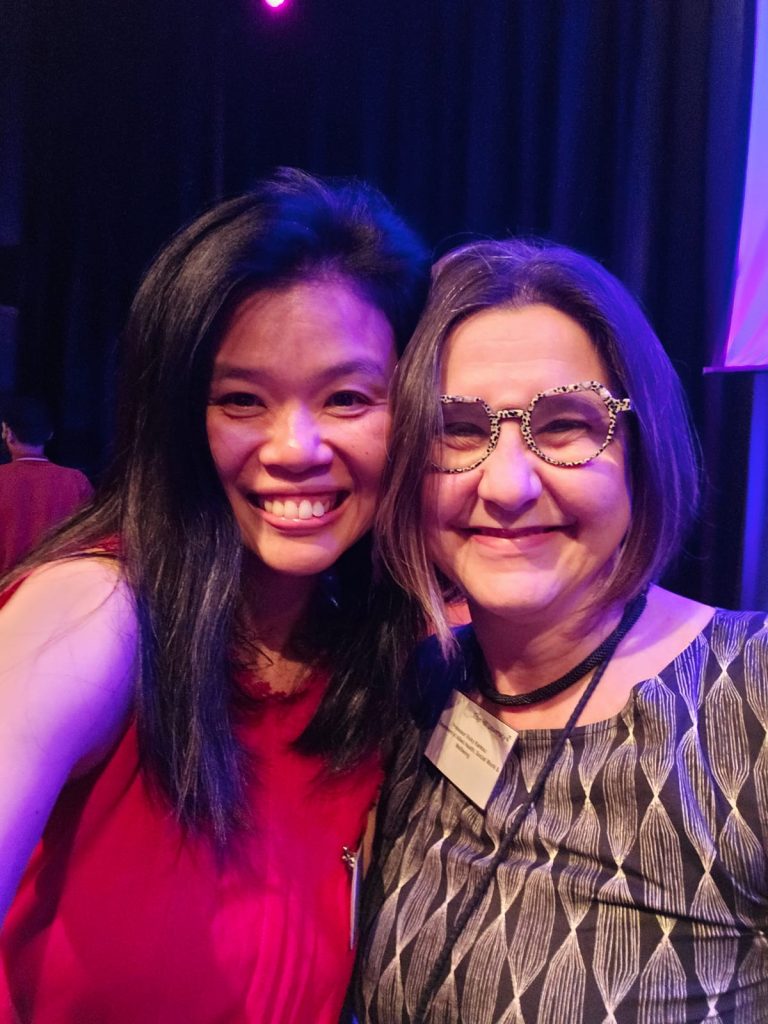
We hosted our inaugural Research Showcase and Celebration on Wednesday 24th June. Almost 100 attendees, including regional stakeholders, explored how EHU research turns ideas into action and celebrated the inaugural ROAR Awards!
The event received excellent feedback and inspired new conversations around potential research collaborations

So, what did we see?
Pro Vice Chancellor (Research) and Acting Joint Vice Chancellor, Professor George Talbot opened the afternoon by setting the scene for a fascinating tour of the research being conducted at EHU.
Professor Vicky Karkou
First up, Professor Vicky Karkou highlighted the work of the Research Centre for Arts and Wellbeing. The Centre has built a strong track record of research that positions the arts at the heart of interventions supporting mental health, physical health and wellbeing worldwide. It has secured funded through highly competitive grants from varied organisations like NIHR, AHRC, ESRC, Arts Council, Health Education England, and Wellcome Trust. Some of this work includes ARTS4US, the £2.5 million initiative to scale up place-based arts initiatives to support the mental health of children and young people, Arts for the Blues for children and young people and e-Arts-for-the-Blues for children in hospital. You can find out more about these projects here.
Professor Amr Ahmed
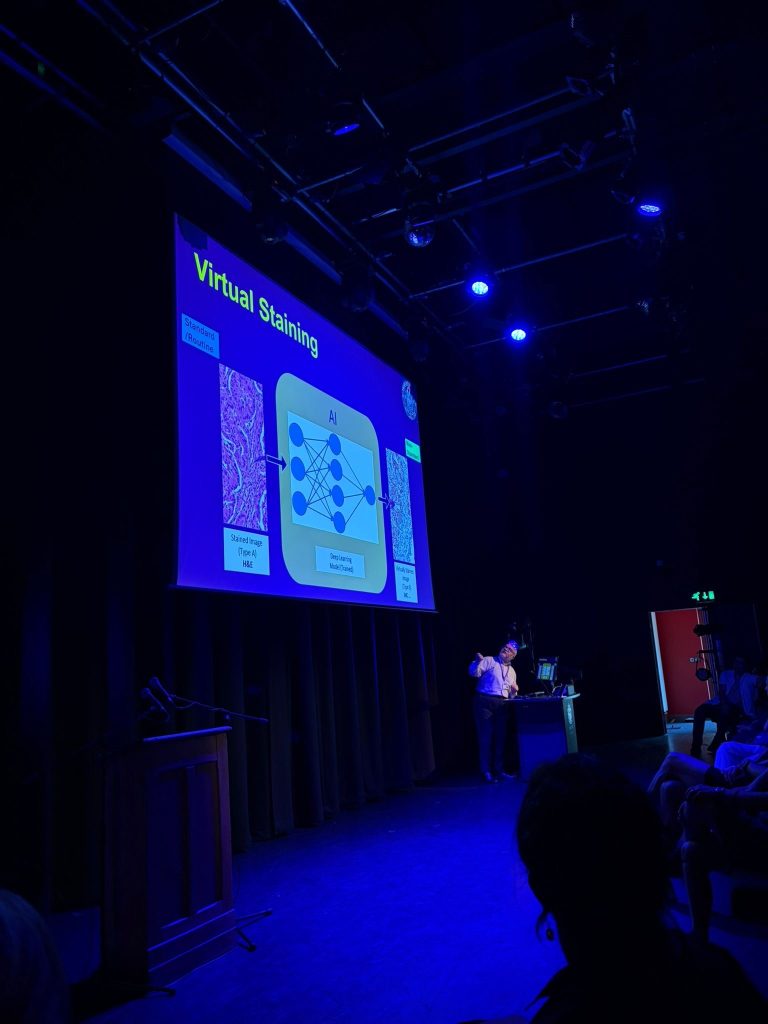
Professor Amr Ahmed showcased research using AI in healthcare to enable better quality of life and improved patient benefits. This research spans screening, therapy, diagnostics and treatment and has potential applications many conditions. Amr focussed on the TRAPCAT (TRansformative Artificial Intelligence Research for Personalised CAncer Treatment) project, designed to assist clinicians in the diagnosis of breast cancer using AI to detect non-standard histopathology. You can read more about this work here.
Dr Dorothy Tse
Dr Dorothy Tse presented research on memory, learning and healthy ageing. She demonstrated how schemas help older adults learn new information using a memorable campus ice cream van example. Dorothy also highlighted a community-based programme promoting healthy ageing through knowledge and awareness workshops. These workshops cover dementia, memory, physical activity, emotional health, and social aspects of ageing. Participant feedback shows the workshops encourage positive behaviour change and help people feel valued. You can read more about Dorothy’s work here.
Professor Ardhendu Behera

Professor Ardhendu Behera presented his work on ATRACT: A Trustworthy Robotic Autonomous system to support Casualty Triage a project funded by EPSRC in collaboration with Loughborough University, The University of Brighton, and the University of Portsmouth. The ATRACT system aims to develop a trustworthy, drone-based autonomous system to assist medics following battlefield trauma. The project uses advanced drone and AI technologies to locate and identify casualties and assess injury severity. These technologies provide continuous monitoring and real-time information to enroute medical teams. You can read more about this work here.
Dr Victoria Gray
Dr Victoria Gray spoke about the NIHR funded Mental Health Leaders Award (MHLA). The MHLA is designed to address mental health problems in areas where research infrastructure and participation remain underdeveloped. This means that interventions are not necessarily reflective of the participants in these areas. The aim of the MHLA is to build research capacity and capabilities in local areas to develop a portfolio of targeted, applied, locally relevant research that addresses the specific mental health priorities of that community and healthcare system. You can read more about this work here.
We concluded the day with presentations from our professional services colleagues:
Simon Garrett, Head of Organisational Development, revealed the University’s plans for a new Researcher Development Programme (RDP). The RDP provides researchers with opportunities to develop and strengthen the skills they need to produce the best research. This in turn produces stronger outcomes for communities and our external partners. We could see how the new RDP will support our work around continuously strengthening EHU’s research culture!
Finally, Chris Hughes, Director of the Research Office discussed the new Research & Knowledge Exchange Strategy. He highlighted opportunities for the research community to contribute over the coming months.
Fireside Chat (Yes, in the heatwave)
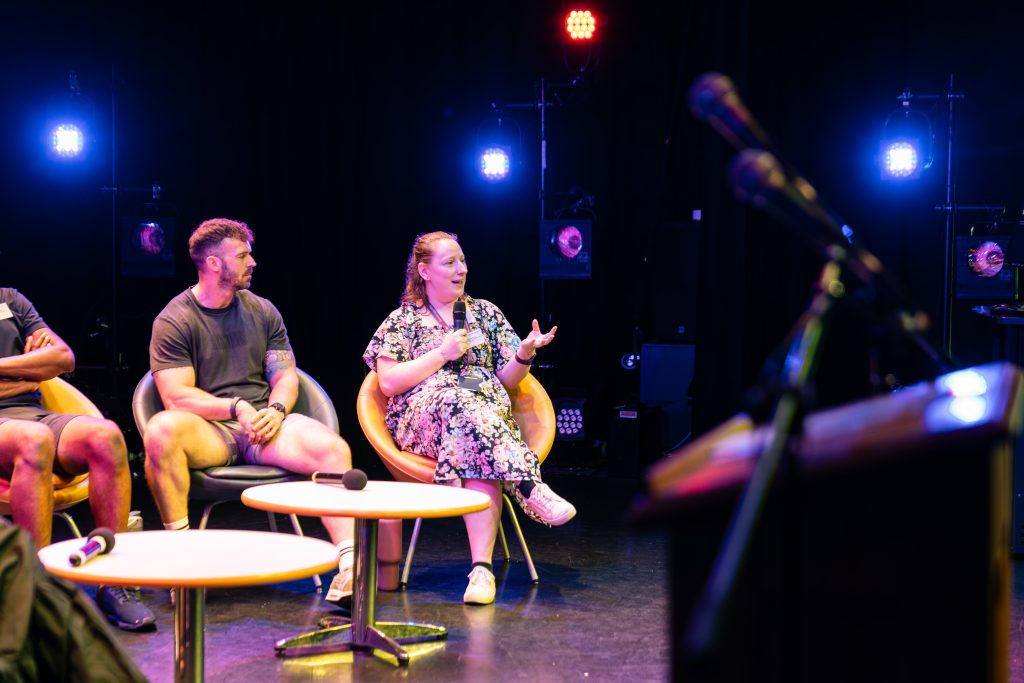
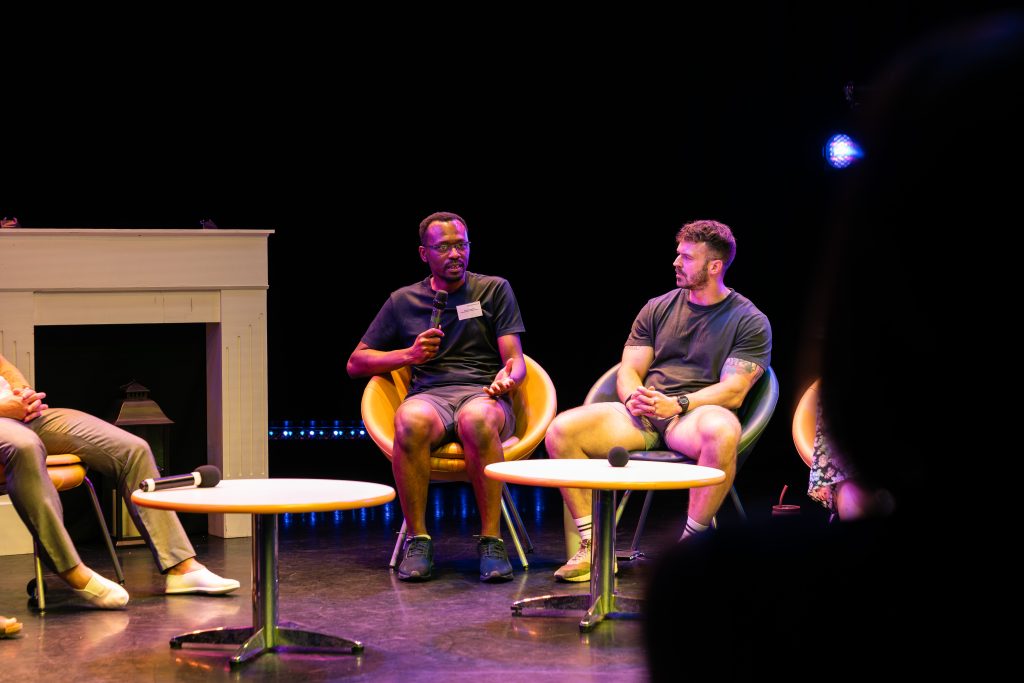
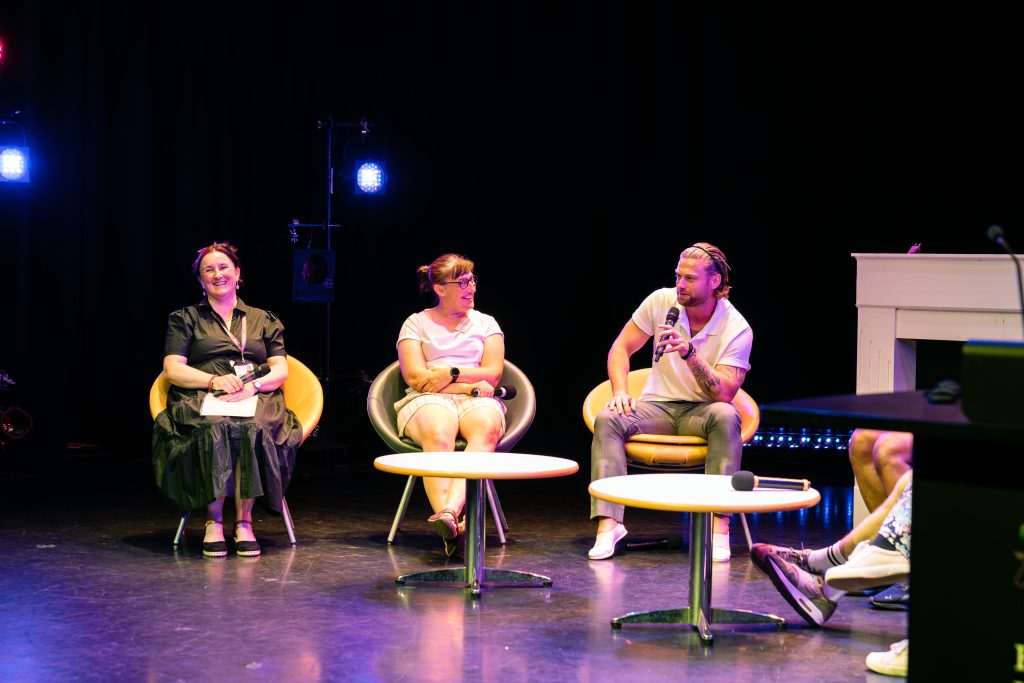
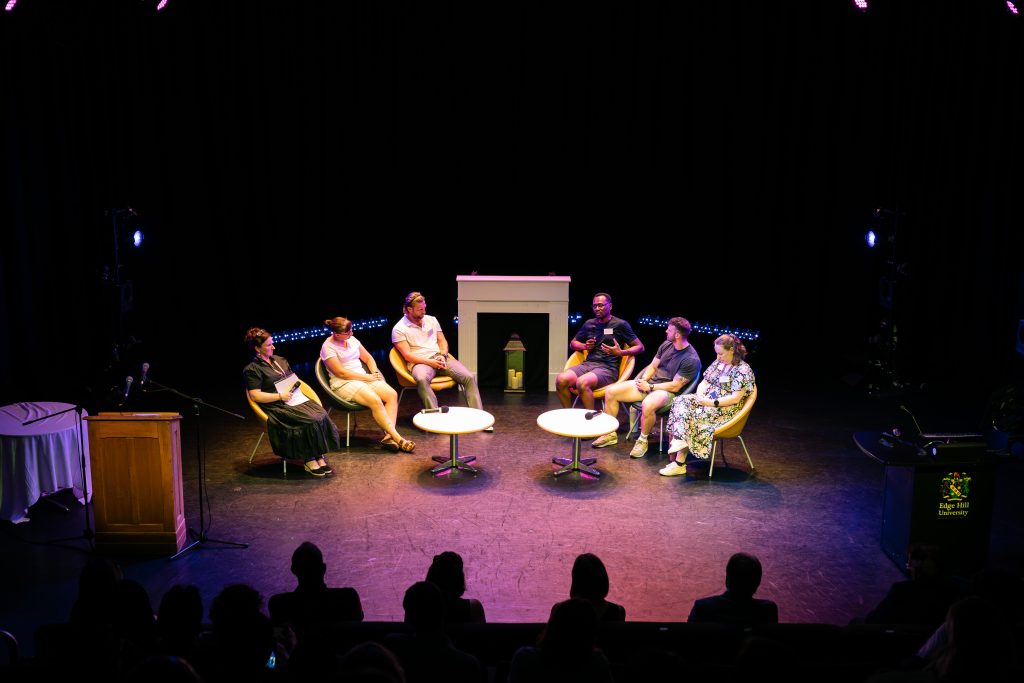
Our Research Development Manager Michelle Davies hosted a fireside chat where early and mid-career researchers shared insights into their work.
First up was Dr Nicola Relph. Nicola spoke about the efficiency of beginners running programmes and how through research we understand that these are not as effective as they claim. In fact, they often result in increased injury and consequently high attrition. Nicola’s work involves developing practical recommendations to help organisations implement programmes such as these safely and effectively, maximising their impact and success.
Continuing the sport and exercise theme we moved onto Dr Ben Langley. Ben spoke about his collaborative work with Wrightington, Wigan and Leigh NHS Trust on falls prevention and improved mobility in ageing populations, providing an insightful input from his field of biomechanics.
Next, Dr Nonso Nnamoko showcased how data can drive decision-making across sectors including healthcare and town planning. He illustrated how urban tree coverage can indicate pollution levels and highlighted links between environmental factors and the prevalence of certain health conditions, providing valuable insights for public health discussions.
Keeping with the theme of public health Dr Tom Duffell spoke about his research in men’s mental health. In particular, he discussed strategies to engage men in mental health awareness through sport environments.
And finally, Dr Janet Richardson brough the session to a close by talking about her work in the physical environment, in particular, sediment and flood management, and how this impacts all populations. The overall theme that brought these researchers together was “communities” and how our research can have positive impacts across whole communities, from our physical health to our mental health and our local environment
Research Fair
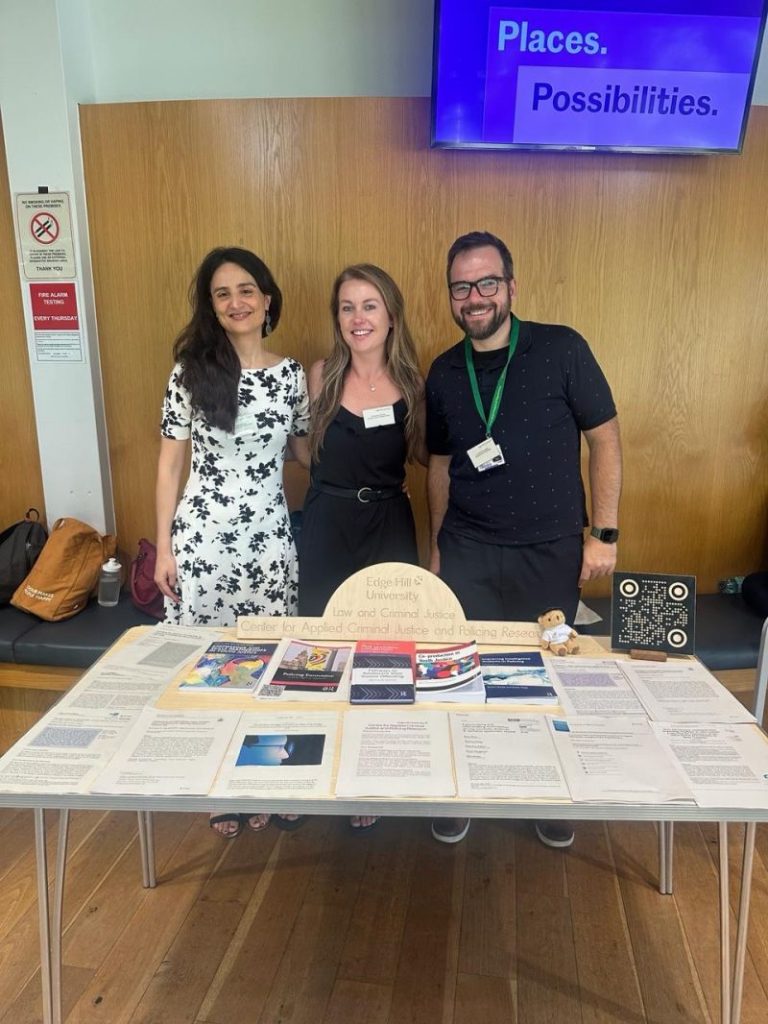
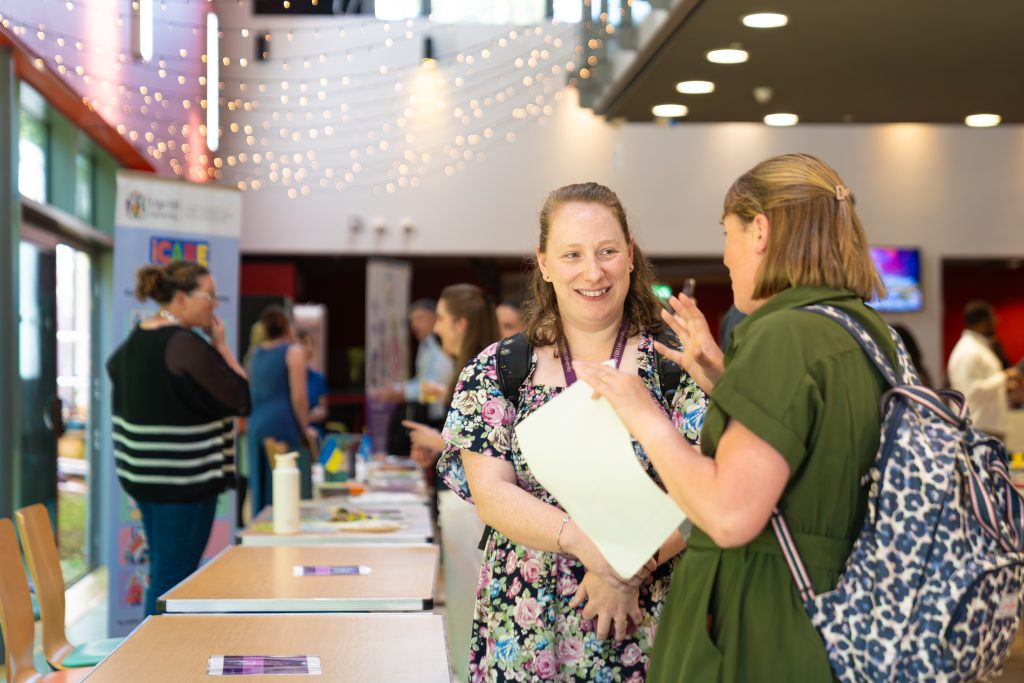
The Research Fair opened and closed our Research Celebration and Showcase, giving attendees the opportunity to meet representatives from our Research Centres and learn more about their work and its real-world impact. This was not only a great networking opportunity for internal colleagues but also provided a key insight to our external guests as to the wide variety of research we conduct.
You can find a directory of our research centres on our website, and if you email [email protected] we can put you in touch with them.
The Research Office and The Careers Department also had stalls at the Research Fair and colleagues from both departments were on hand to answer questions.

Recognising Outstanding Achievements in Research (ROAR) Awards
A main feature of the Research Showcase and Celebration was the inaugural Recognising Outstanding Achievements in Research (ROAR) Awards.
We started planning our ROAR Awards over a year ago and have been astounded by the positive engagement from the EHU community, with over 50 nominations made! This gave the panel of judges an exceptionally hard task to decide on the shortlist for the four award categories, and the even harder task of deciding on just one winner and one runner up in each category.
So without further ado, here are the results:
Rising Star award
These early career researchers show exceptional promise in their research.

Winner: Jen Giblin
Runner Up: Sarah Fox
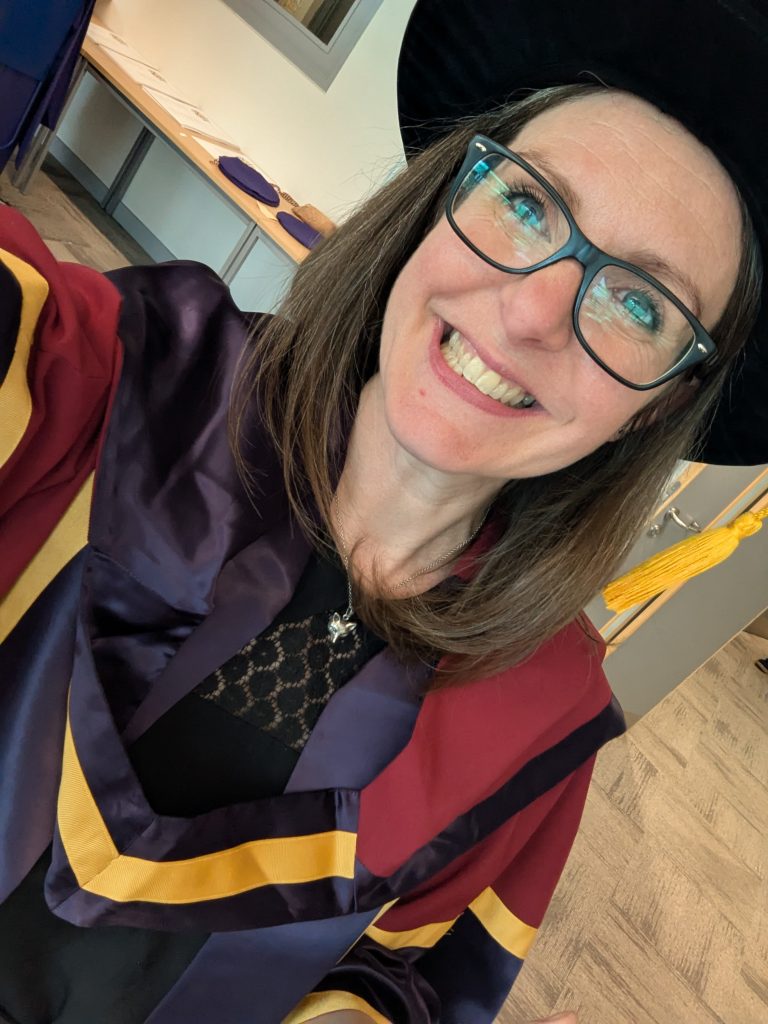
Changemaker award
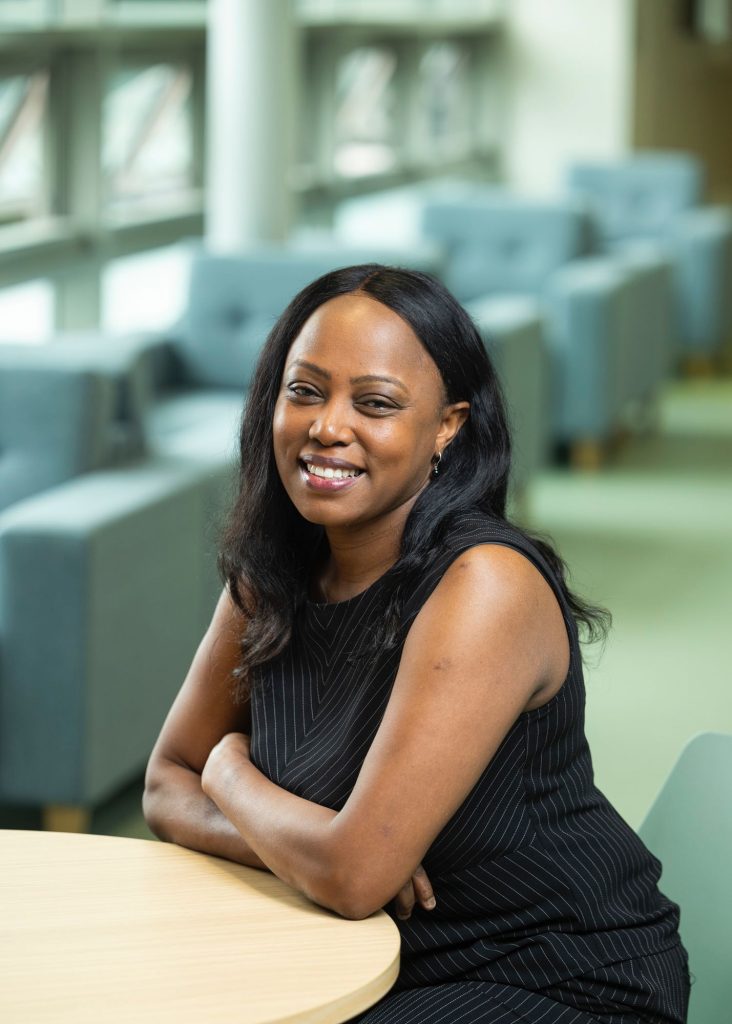
These researchers contribute to benefits or changes outside academics through their research. This might include impacts on policy at local or national level, society, the economy, health service and more.
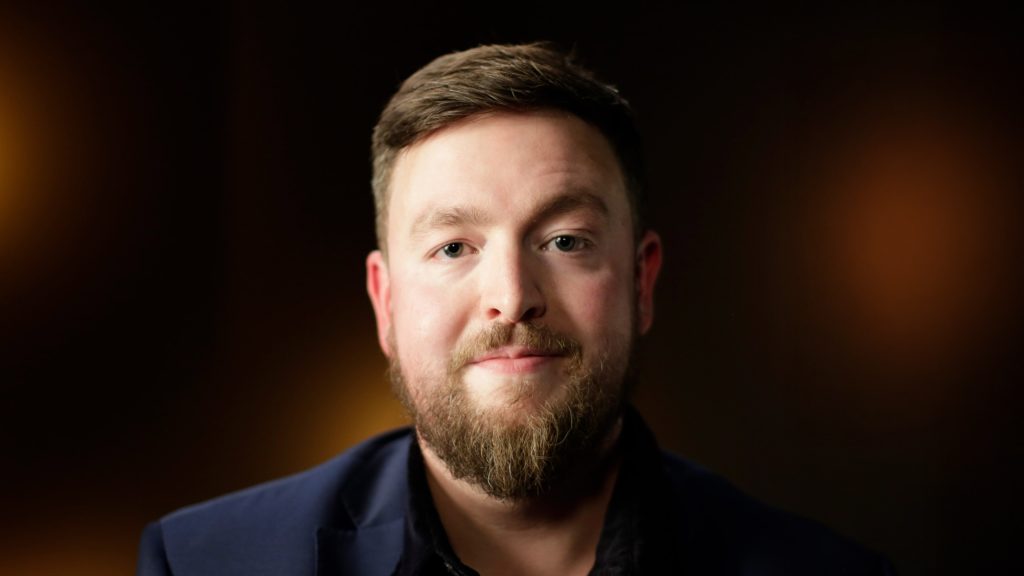
Winner: Bob Nicholson
Runner Up: Emmie Malewezi
Pillar award
These professional services staff make a significant contribution to supporting research or research culture at EHU, whether for the entire University or a single research project.

Winner: Billy Brooke
Runner up: Dan Copley
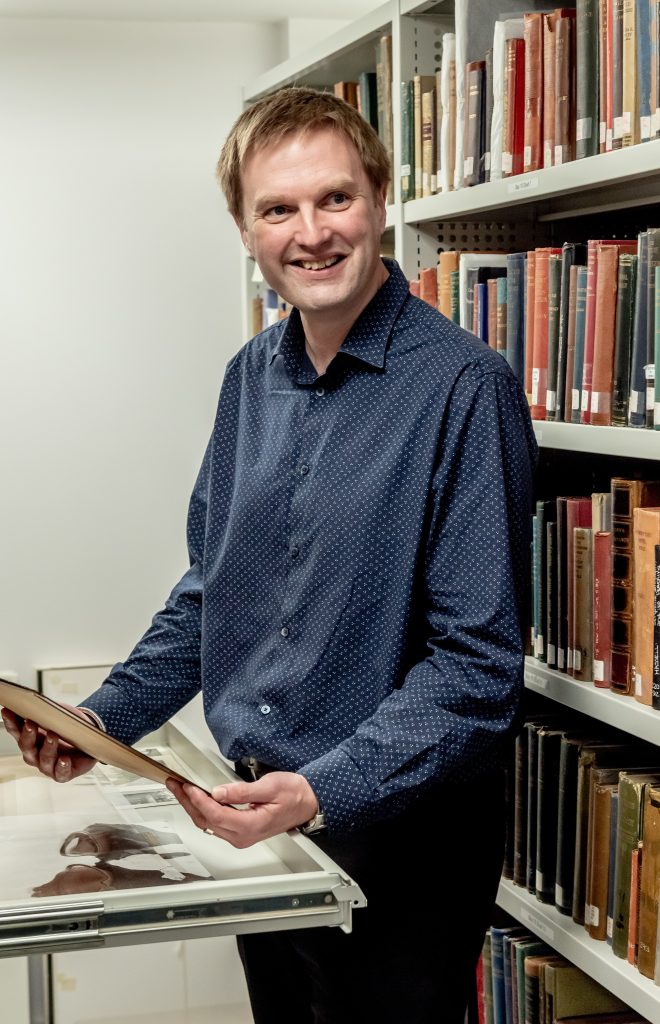
Torch-bearer award
These researchers make an outstanding contribution to research excellence and the research culture at EHU.
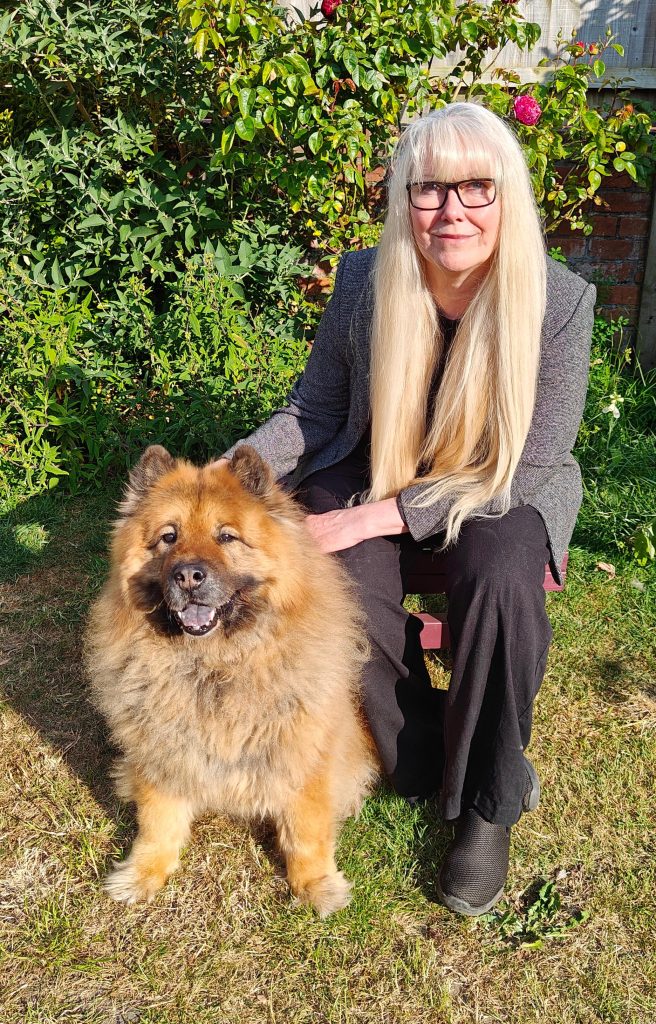
Winner: Claire Parkinson
Runner Up: Ardhendu Behera
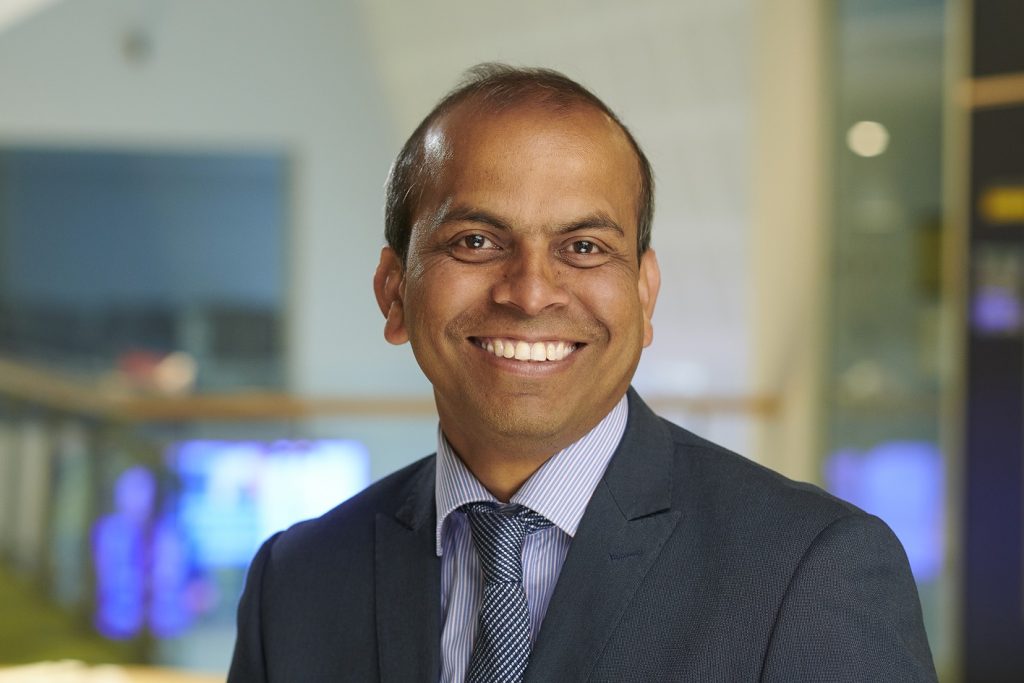
We can tell from the feedback we’ve already received just how much our nominees, finalists, runners up and winners all appreciated the recognition the ROARs brought. If you would like to add any feedback of your own you can do so here.
Congratulations, everybody!
So, What’s next?
This was the first time we’ve hosted a celebration like this but it won’t be the last – we know our research community really appreciated the opportunity to share their work with not just external organisations who might have an interest, but with their colleagues around the University who wouldn’t usually know about it.
We also know our external guests appreciated the invitation and were captivated by what they saw and heard.
We can’t wait to bring the Research Showcase and Celebration back again soon, maybe with one or two tweaks to make it even better next time…
Want to know more?
You can check out our Research Stories or Impact Stories pages for more on our research.