
As a Computing and Media educator who first encountered the questions surrounding a national media literacy curriculum while planning Cambridge Nationals’ Creative iMedia lessons, I welcome any recognition of media literacy in schools. The November 2025 Curriculum and Assessment Review marked a significant moment for education policy in England, as it formally recognises the importance of media literacy in primary schools (UK Government, 2025). This is a welcome development. Young children are exposed to a complex media environment long before they encounter structured learning in the classroom, and early intervention is vital to equip them with the skills to interpret and navigate this landscape critically. However, while the inclusion of media literacy in the early years represents an important step, it is only the beginning. Limiting the provision to primary education risks leaving pupils unprepared for the increasingly sophisticated media worlds they encounter in adolescence. A developmental, cross-curricular approach that extends beyond age eleven is therefore essential to ensure that media literacy is meaningful, sustained and equitable.
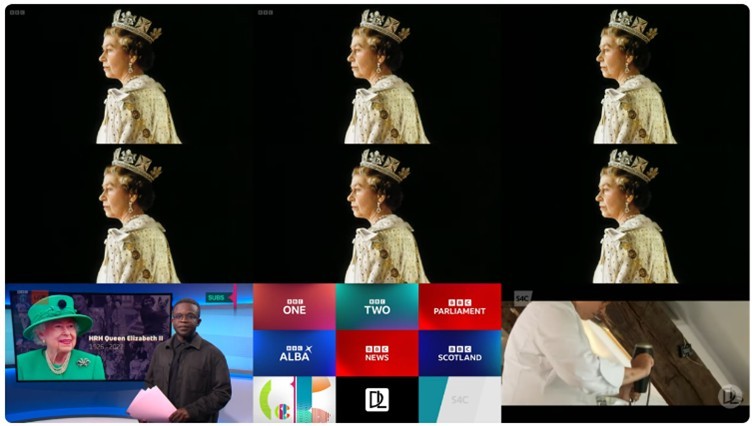
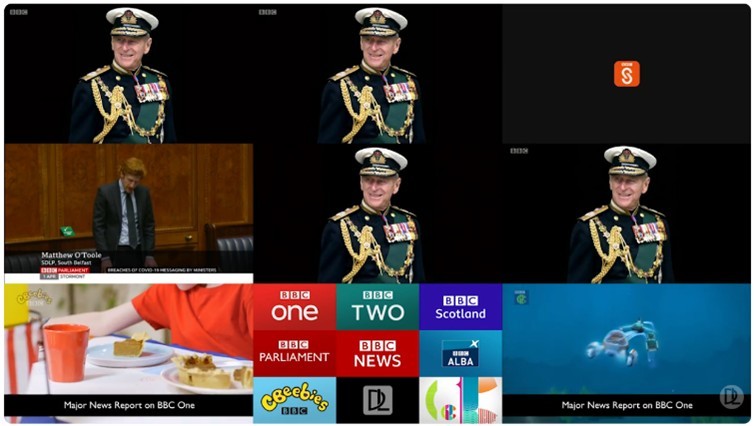
The secondary school years, spanning ages 11–16, represent a critical period for media literacy development, as this is when adolescents experience the highest engagement with media platforms, including smartphones, TikTok, Instagram, and online gaming communities. During this stage, young people are not only consumers of media but increasingly become producers themselves, creating content and participating in digital communities. The stakes of this engagement are significant: adolescents are exposed to complex issues of representation, misinformation, and the rapid proliferation of AI-generated content and fake news. Public discourse has increasingly recognised the need for adolescents to navigate these challenges; for instance, UK political leader Keir Starmer cited the Netflix series Adolescence as essential viewing for every young person (Youngs, 2025), highlighting the societal importance of understanding contemporary youth media culture. Yet, despite this urgency, media literacy content within the curriculum often remains fragmented, inconsistent, or undervalued, limiting opportunities for students to develop these essential skills in a structured, developmental sequence.
Ensuring meaningful media literacy education requires investment not only in curriculum design but also in teacher professional development (CPD) and cross-curricular integration. Teachers need dedicated time, targeted training, and high-quality resources to facilitate media literacy in ways that resonate with students lived experiences. Providing educators with these tools ensures that media literacy is not merely a policy objective but a tangible, impactful learning experience for all pupils, embedded across subjects and aligned with the developmental needs of young learners. Without such support, even well-designed curriculum reforms risk being implemented superficially, leaving students ill-equipped to critically engage with the complex media landscape they inhabit.
In conclusion, recognising media literacy in primary schools is an important and welcome step, but it must not be treated as the end point. To prepare young people for the complex media environment they navigate daily, a sustained, developmental approach across all key stages is essential. By embedding media literacy into secondary education, supporting teachers through targeted professional development, and ensuring that representation and critical thinking remain central, we can equip students not just to consume media, but to understand, question, and create it responsibly. Media literacy is not a fleeting policy trend, it is a foundational skill for participation in twenty-first-century society, and investing in it throughout childhood and adolescence is an investment in informed, thoughtful, and resilient citizens. If we truly want students to navigate an increasingly complex media landscape, media literacy must be a continuous, whole-school commitment, not a step that ends at age 11.
References:
- CANNON, M., CONNOLLY, S, & PARRY, R., 2020. Media literacy, curriculum, and the rights of the child [online]. Available: https://www-tandfonline-com.edgehill.idm.oclc.org/doi/full/10.1080/01596306.2020.1829551d1e142 [Accessed 17 December 2025].
- LIN, D, 2021. BBC TV Channels – 1208BST Friday 9th April 2021 – Announcing The Death of Duke of Edinburgh [online video]. Available from: https://youtu.be/xjOk4q2h8cI?si=_hGuQHMgXxFQiNfe [Accessed 17 December 2025].
- LIN, D, 2022. BBC TV Channels & S4Cn- 1830BST 8th September 2022 – Announcing the Death of Queen Elizabeth II [online video]. Available from: https://youtu.be/mp9k5l0wu6g?si=XbQom4XYD-1zlNtU [Accessed 17 December 2025].
- UK GOVERNMENT, 2025. Curriculum and Assessment Review: Building a world-class curriculum for all. Final Report. [online]. Available from: https://assets.publishing.service.gov.uk/media/690b96bbc22e4ed8b051854d/Curriculum_and_Assessment_Review_final_report_-_Building_a_world-class_curriculum_for_all.pdf [Accessed 17 December 2025].
- YOUNGS, I. 2025. Adolescence hard to watch as a dad, Starmer tells creators. BBC News. [online]. Available from: https://www.bbc.co.uk/news/articles/cx28neprdppo?app-referrer=deep-link [Accessed 17 December 2025].
